
How to Choose a Brain Supplement: 7-Point Checklist
Walk down any supplement aisle and the shelf looks like a dare. Every bottle promises sharper focus, steadier moods or a calmer head, and the labels are built to look alike. If you’ve stood there reading the back of a bottle and still felt unsure, that’s a reasonable reaction, not a failing.
Here is the honest starting point. No single brain supplement is the best choice for every reader, because your age, your medicines, your diet and your goals all change the answer. A ranked list of ingredients can’t account for any of that.
Learning how to choose a brain supplement works better as a skill than as a shopping list. This guide gives you seven checks you can run on any product, ours included. They cover the label, the dose, testing, evidence, age, marketing language and a conversation with a provider. A printable version is at the end.
Choosing a Brain Supplement Starts With the Label
Point one is transparency. If a label hides what’s inside, none of the other checks can work, so start here and take your time.
What to Look for on the Supplement Facts Panel
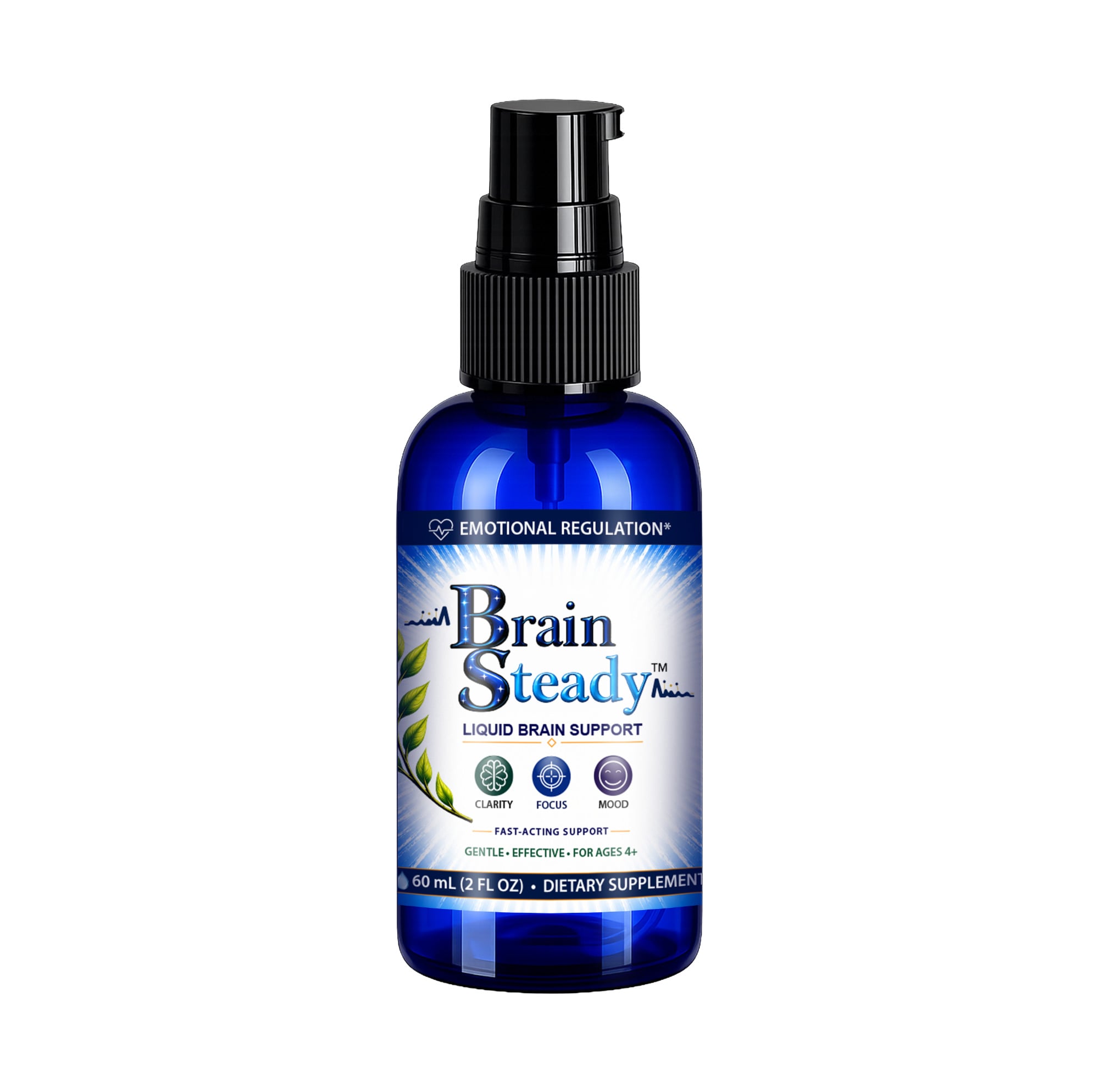
A complete panel is boring in the best way. It tells you exactly what you’re swallowing and how much of it. Look for these:
- Serving size and servings per container. Two capsules per serving means every amount on the panel is for two, not one.
- Each ingredient listed by name. You should see individual ingredients, not just a catchy product name.
- The amount per serving, in milligrams, micrograms or international units. This is the number you’ll compare with research in the next section.
- The form of each nutrient. Forms differ in how well the body uses them. Magnesium citrate and magnesium oxide are absorbed differently, and the same is true of different forms of folate and vitamin B12.
- The “other ingredients” line. This is where fillers, flavors, sweeteners and allergens appear, which matters if you or your child avoids certain foods.
You can also look up real panels. The NIH Office of Dietary Supplements runs a free Dietary Supplement Label Database covering many products sold in the US, so you can compare what a label shows with similar products.
Proprietary Blends and Other Label Gaps
A proprietary blend lists several ingredients under one total weight. The ingredients usually appear in descending order, but you can’t see how much of each is in there.
Imagine two products that both feature the same ingredient. One panel gives that ingredient’s amount per serving, while the other gives only a total weight for a proprietary blend, and only the first lets a reader check the dose.
A blend might contain a meaningful amount of the ingredient you want, or a pinch of it sitting behind cheaper ones. The label won’t say. Blends aren’t illegal, but they take away the one number you need to judge the product.
Other gaps are worth noticing too: missing serving sizes, “extract” with no strength or plant part named, and ingredient lists that don’t match the front-of-bottle claims.
A quick label checklist you can run in the store:
- Is every ingredient listed with its own amount per serving?
- Is the serving size clear, and does it match how you’d actually take it?
- Are the forms of nutrients named?
- Do you recognize everything in “other ingredients,” and does any of it conflict with an allergy?
If you’d like to practice on a full panel, our ingredient breakdown lays out what’s in our products so you can run these same questions against it.
Check the Dose Against the Research
Point two is dosing. Once you’ve found the amount per serving (the label section above shows where), compare it with the amounts used in studies of that ingredient.
The NIH Office of Dietary Supplements fact sheets summarize what the research shows for many nutrients, and they often note upper intake levels. If a product contains a tiny fraction of the studied amount, the research doesn’t really apply to it. If it contains far more, that isn’t automatically a plus.
Bigger isn’t better here, because some nutrients have upper limits. For adults, the upper level for magnesium from supplements is 350 mg a day, and for vitamin D it is 4,000 IU a day. A multivitamin, a “focus” capsule and a fortified drink can each add some of the same nutrient, so stacking several products can push you past a limit without any single label looking alarming.
Add up the amounts across everything you take. That’s the number that counts.
Third-Party Tested Supplements: What Testing Does and Doesn’t Show
Point three is independent testing. When a lab with no stake in the sale checks a product, it usually looks at three things: identity (is the named ingredient actually in there), strength (does the amount match the label) and contaminants (heavy metals, microbes and similar).
Recognized programs such as USP Verified and NSF Certified test finished products against published standards. That’s a meaningful step beyond a company simply saying its product is good, and it’s one reason third-party tested supplements deserve a closer look when you’re comparing similar options.
Seals, Certificates, and Vague ‘Lab-Tested’ Claims
“Lab-tested” on its own tells you almost nothing. Which lab? Tested for what? Against which standard? A company can test its own product in its own lab and print the same words.
A real seal has a defined scope, so check what it covers rather than assume every claim on the label has been verified. On the program’s website you can usually search for the product by name. If it isn’t listed, the seal on the bottle deserves a second look.
Testing also has a firm limit. It confirms what a product contains, to the tested standard. It cannot tell you whether the product suits you, whether it interacts with your medicine, or whether it will help you at all.
Are Brain Supplements Worth It? Judge the Evidence First
Point four is evidence quality, and it’s where the question “are brain supplements worth it” gets a real answer. The answer is per person and per ingredient, not yes or no.
Think of evidence as a ladder. Near the top sit large human trials and systematic reviews that pool many trials. Lower down are small pilot studies, then animal studies and test-tube experiments. A result in rats or in a dish is a reason to run a human study, not a reason to buy a bottle.
When you read about a trial, check four things:
- Population. Were participants like you, or were they older adults, people with a deficiency, or children?
- Dose. Does it match what’s in the product in your hand?
- Duration. A two-week study says little about months of use.
- Funding. Industry funding doesn’t invalidate a study, but it’s worth knowing.
Ingredient Research Is Not Product Research
Studies on an ingredient don’t tell you how a finished product behaves. A product may use a different form, a different dose or a combination nobody has tested together. The research belongs to the ingredient, and any evidence about a finished product has to come from studies of that product.
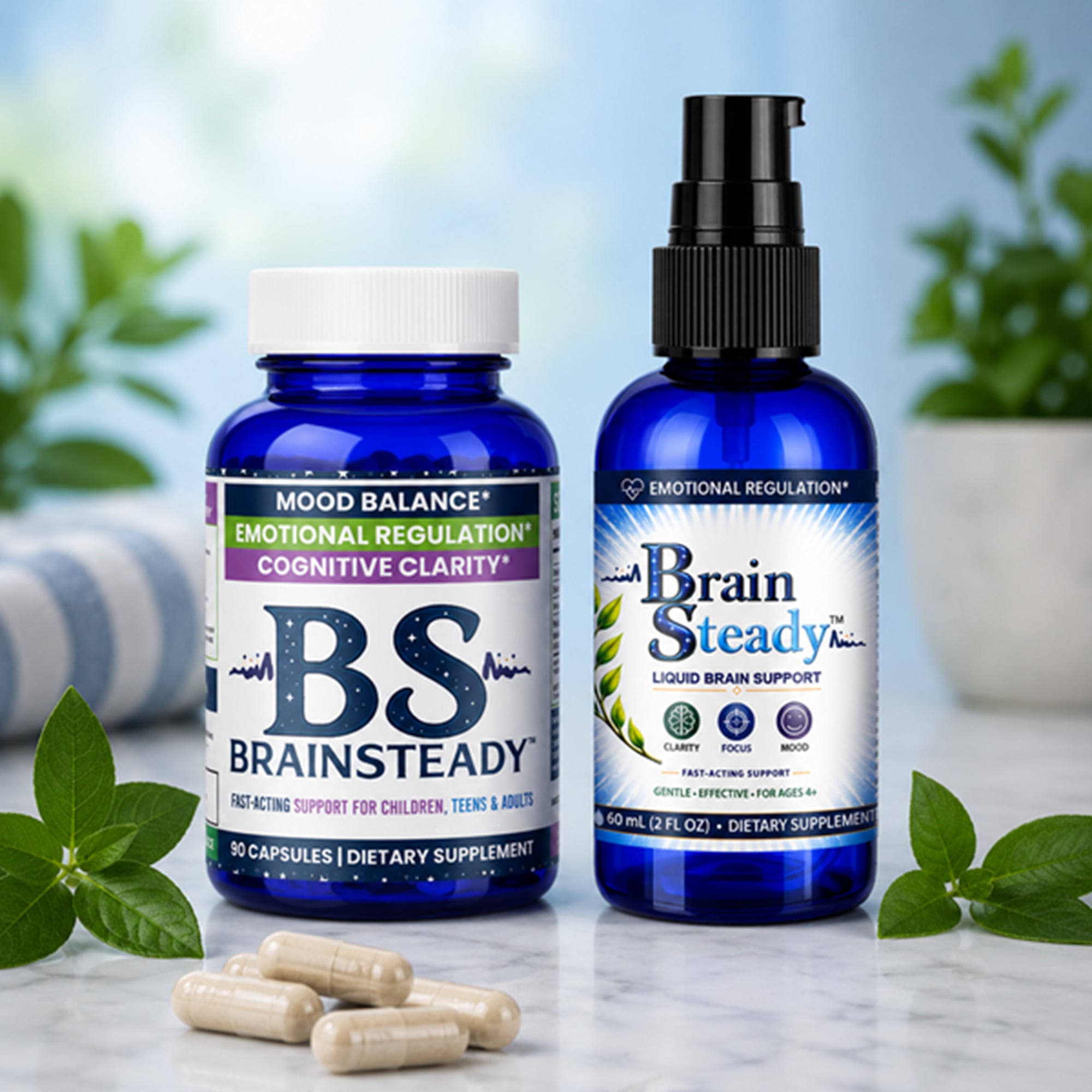
That’s why we keep the two apart. Our brain formula was developed with focus, mood balance and emotional regulation in mind. That is the design goal behind it, not a promise of results, and the ingredient research below isn’t a study of our finished formula. Be skeptical of any brand, ours included, that blurs that line.
Brain Supplement Ingredients to Look For, and How Strong the Evidence Is
This isn’t a ranking. It’s a rough guide to how much each ingredient’s research can carry.
- Omega-3s (EPA and DHA): Studied widely. Results for mood are mixed, with some signal for EPA-rich products, and the findings for attention are modest.
- Magnesium: Matters for normal nerve function, and the clearest benefit appears when intake is low. Evidence for sharper thinking in people who aren’t deficient is limited.
- B vitamins: Important for brain metabolism. Supplementing helps most when you’re low, and not much is shown for people with adequate levels.
- Vitamin D: Low levels are linked with mood and thinking problems, but trials of supplementation for cognition have been inconsistent.
- Creatine: Some evidence for short-term memory and mental fatigue, particularly under stress or for people who eat little meat. The studies are small.
- L-theanine: Small, short studies suggest calmer alertness, often alongside caffeine. Long-term data is thin.
- Bacopa: A few trials show memory benefits after about 8 to 12 weeks, but the studies are small and vary in quality. Stomach upset is common.
- Ginkgo: A cautionary case. It’s popular, but a large trial found it did not prevent cognitive decline in older adults, and it can interact with blood thinners.
An ingredient with solid evidence in one group may do little in another. If you eat well and your levels are fine, a nutrient that helps deficient people may add little for you.
Match a Brain Supplement to Age and Life Stage
Point five is whether the product fits the person taking it. Adults are often told that supplements are simply “for everyone,” but your situation shapes the choice.
Start with your own goals. Is it focus at work, a shorter fuse in the evenings, or a general sense of feeling steadier? A clear goal helps you judge whether a product’s ingredients and evidence fit. You can read an honest look at adult emotional regulation supplements for more on that.
Some situations need a professional check first:
- Pregnancy or nursing. Many ingredients lack safety data in these stages, so ask before you start.
- Prescription medicines. Some herbs and nutrients change how medicines work, which we cover below.
- Vitamin B12 and age. Absorption of B12 from food can decline with age, so older adults sometimes need a different form or a blood test to see whether supplementing makes sense.
This guide isn’t for anyone hoping a supplement will substitute for care. A product can’t diagnose or treat ongoing difficulties with focus or mood, and it’s worth saying plainly that no checklist can tell you whether you need one.
Choosing Supplements for Family Members of Every Age
Children and teens are not small adults. Research in young people is thinner for most ingredients, doses depend on age and body size, and a label written for adults can’t be halved by guesswork.
Stimulant-type ingredients such as caffeine deserve a closer look for younger people. Check the label for them, including in ingredients with unfamiliar names. Capsules can also be a choking hazard for small children, so format matters. Capsule or liquid: which format fits your household walks through that decision.
For younger kids, a practical guide to liquid brain supplements for kids goes into more detail. For older kids, a parent’s guide to teen focus and mood applies the same checks to teenagers.
Choosing supplements for family members means running the checklist separately for each person. One household can need a different product, or no product, for each member.
Brain Supplement Red Flags: Marketing Phrases to Question
Point six is the language on the bottle and the website. Certain phrases don’t prove a product is bad, but they should slow you down. Add a pinch of humor here: BS, in our shorthand, means Brain Support, not the other kind. Some marketing, though, sails close to the other kind.
Promises a Supplement Cannot Keep
No supplement can cure, reverse or prevent a disease, and a product that says it can is breaking the rules. Treat these as red flags:
- Cure, reverse or prevent claims tied to a condition such as ADHD, anxiety or dementia.
- Results in days, especially “instant” or “overnight” changes in focus or mood.
- “Clinically proven” with no named study. Real research can be named, dated and found.
- “No side effects.” Anything active enough to work is active enough to cause effects in someone.
- Secret or “breakthrough” formulas. Secrecy is the opposite of a transparent label.
- Urgency tactics, such as countdown timers, “only 3 left” or pressure to buy several bottles.
The urgency tactics are the quietest red flag. A product that works the same way next month doesn’t need you to decide in the next ten minutes.
Vague Science Language and What US Rules Allow
In the US, supplements don’t need FDA approval before they’re sold. The company is responsible for the product’s safety and for truthful labeling, and the FDA can act on problems once a product is on the market.
Under FDA rules for dietary supplements, a label may describe how an ingredient affects the body’s structure or function, as in “supports healthy brain function.” That wording is permitted, but it must carry a disclaimer saying the FDA hasn’t evaluated the statement and that the product isn’t intended to diagnose, treat, cure or prevent any disease.
So “supports healthy brain function” is not a promise of a result for you. It also isn’t evidence that anyone has tested the product.
Phrases like “balances brain chemistry” deserve the same care. Your brain does not rebalance on demand because you took a capsule. Nutrients take part in the chemistry of the brain, and a fair description explains which nutrient does what, not a sweeping claim to fix a balance.
Talk With a Provider Before You Start
Point seven is the one that makes the other six safer. A label can’t know your health history, but a pharmacist, doctor or pediatrician can.
Here is who to ask:
- A pharmacist for a quick interaction check, since they can see your medicines and answer in minutes.
- A prescriber for questions about prescription medicine, pregnancy or a health condition.
- A pediatrician for any child or teen.
Interaction risks are real. St. John’s wort, which appears in some mood-focused products, can interact with antidepressants and with other medicines, including some birth control and blood thinners. The NIH Office of Dietary Supplements St. John’s wort fact sheet explains how. Anyone taking prescription medicine should check before adding it.
A supplement is not a diagnosis or a treatment. If focus, mood or behavior concerns keep showing up, they deserve a proper conversation, and a provider can look at sleep, stress, nutrition and other causes. Clinicians weighing these questions for patients may find a clinician’s guide to focus and mood supplements useful.
Bring the product itself, or a photo of the label, and a current list of your medicines. That gives the provider something concrete to work with.
Your Printable Seven-Point Checklist
Print this, tick a box for each point, and take it to the appointment. It’s a tool for the conversation, not a pass-or-fail test. A product that misses a point isn’t automatically off the table; it just gives you something to ask about.
- 1. Transparent label: Each ingredient has its own amount per serving, with serving size and nutrient forms clear.
- 2. Dose: The amount is compared with research amounts, and total intake across all products is within upper limits.
- 3. Testing: A named program such as USP Verified or NSF Certified covers the finished product, not just a “lab-tested” claim.
- 4. Evidence: The research was done in people like me, at this dose and over a sensible time, and ingredient research isn’t presented as product research.
- 5. Age and life stage: It suits my age, pregnancy or nursing status, medicines and format needs.
- 6. Red-flag language: No cure claims, no “clinically proven” without a named study, no pressure tactics.
- 7. Provider check: A pharmacist, prescriber or pediatrician has seen the label and my medicine list.
Run it on any brain supplement you’re considering, ours included. If you’d like to see how a full label measures up, you can compare the ingredient breakdown for our brain formula with the label checks above, and take your time doing it.
Frequently asked questions
What is the best supplement to improve brain function?
There isn’t one best supplement for everyone. The evidence is strongest when a supplement corrects a shortfall, such as low vitamin B12 or vitamin D, and weaker for people whose levels are already fine. Use the seven-point checklist to compare products, and ask a pharmacist or doctor which ingredients fit your situation.
What two supplements should never be taken together?
No single pair is off limits for everyone, but some combinations carry real risks. St. John’s wort can interact with antidepressants, some birth control and blood thinners, and ginkgo can add to the effect of blood thinners. Stacking several products that contain the same nutrient can also push you past its upper intake level, so ask a pharmacist to check your full list.
Does Prevagen or Neuriva actually work?
We can’t speak to how any specific product performs, and a brand name alone doesn’t answer it. Ask whether the company names a study, whether that study tested the finished product, and whether the people and doses match your situation. If the research is only about individual ingredients, that doesn’t show the finished product works.
What are the big 3 supplements?
There’s no official list. Omega-3s, vitamin D and magnesium are often mentioned in general wellness conversations, but the evidence differs for each one, and what you need depends on your diet, age and medicines. Check your own situation with a pharmacist or doctor instead of following a generic top three.



One Comment