
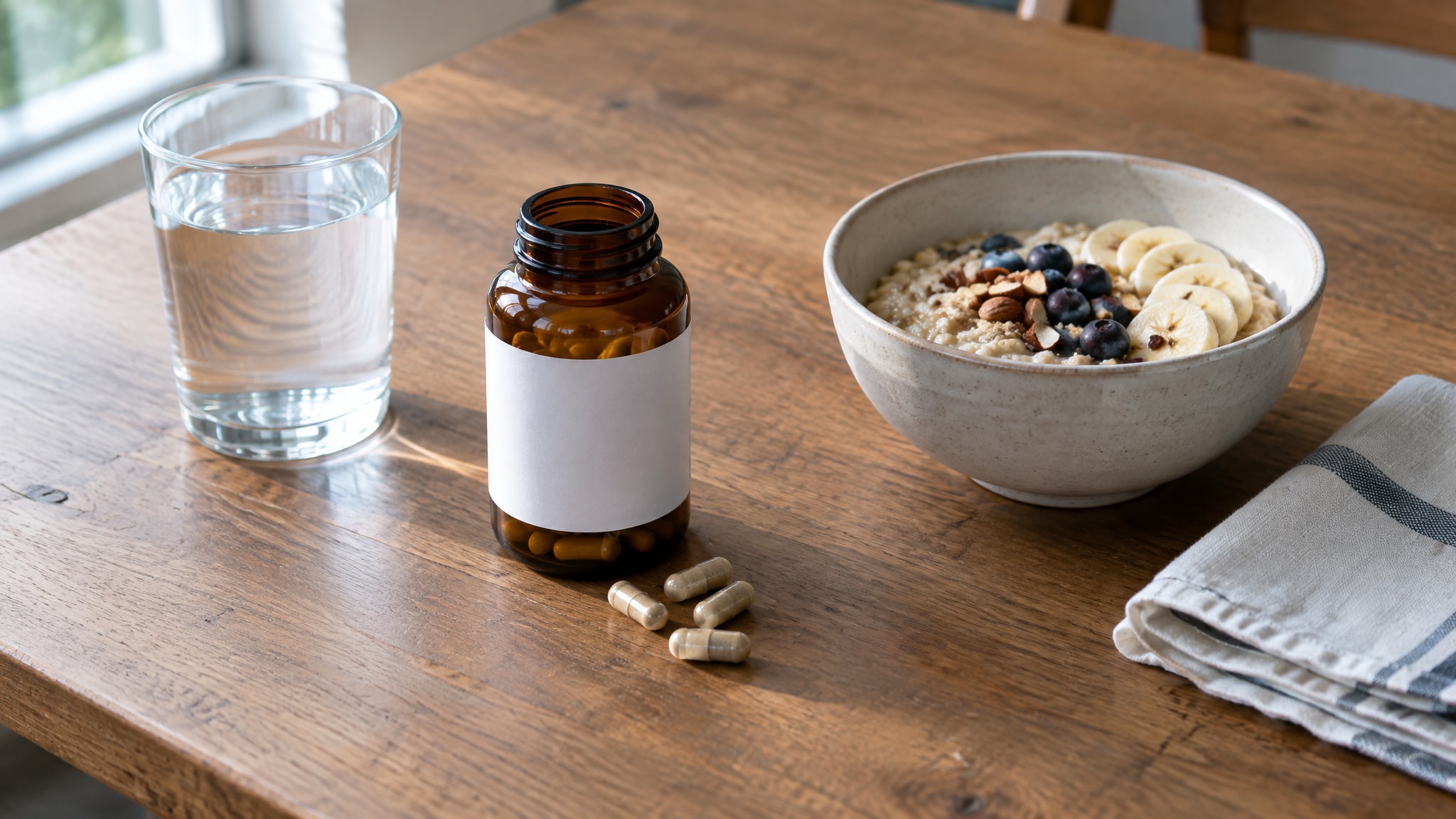
Brain Supplement for Teens Focus and Mood: Parent Guide
If your teen struggles to start homework, snaps at breakfast, or runs out of steam by Thursday, you have probably typed a few worried searches. You are not alone, and you have not failed at anything. Many parents reach the same point and wonder whether a brain supplement could take the edge off.
This guide is a calm checklist for that decision. It covers what to look for on a label, what evidence can and cannot tell you, what to ask a pediatrician, and how capsules and liquids fit into a real teenage day. It also covers the daily habits that matter more than any bottle.
One thing up front: a supplement is a possible support, not a fix. It does not diagnose or treat any condition, and it does not replace sleep, food, or care from a professional.
Why Parents Look at a Brain Supplement for Teen Focus and Mood
Adolescence is a lot. Schedules fill up, sleep shifts later, social life moves onto a screen, and feelings arrive at full volume. A teen who can’t focus or keeps melting down is rarely being lazy or difficult on purpose.
At BrainSteady, we start from the idea that behavior is brain-based. What looks like defiance or distraction often reflects a brain handling heavy demands on too little rest, and that view takes blame off both your teen and you. It also points toward things you can actually change.
Adults know this feeling too. Most of us have tried to hit a work deadline after a bad night and found our patience gone. We do better when we feel better, and teens simply have less practice managing it with more happening at once.
So asking about a supplement makes sense. Keeping expectations modest makes just as much sense, because this is not for anyone hoping for a quick answer to school stress or big emotions.
What Is Happening in the Teen Brain
The teenage brain is not a smaller adult brain. It is still under construction, and knowing that helps you read the everyday chaos more kindly.
Why focus and emotions can feel so bumpy
The prefrontal cortex handles planning, impulse control, and weighing consequences. It keeps maturing well into the early to mid-twenties, so a teen may know exactly what needs doing and still struggle to start.
Meanwhile, the brain’s emotion-related regions are highly responsive. The result is strong reactions with less braking power.
Sleep adds another layer. The body clock shifts later during puberty, so a teen who isn’t tired at 10 p.m. is not being stubborn. Add an early school bell and late-night homework, and mornings get rough.
Where neurotransmitters like dopamine and serotonin fit in
Neurotransmitters are chemical messengers that brain cells use to talk to each other. Dopamine is linked with motivation, reward, and attention. Serotonin is linked with mood and sleep.
Sleep, food, stress, genetics, and development all shape these systems, and no single product controls them. Be wary of anyone who says a supplement “balances” or “fixes” your teen’s brain chemistry. Research on supplements and these pathways mostly looks at individual ingredients, and the NIH Office of Dietary Supplements publishes plain-language fact sheets on many of them.
A Parent Checklist for Choosing Brain Support for Teens
Supplement shelves are crowded and the marketing is loud. Here is a set of checks you can run through at the kitchen table, before anything goes in a cart.
Ingredient evidence vs. finished-product evidence
Studies usually test one ingredient, at one dose, in one group of people. Plenty of that research involves adults, and some of it happened in a lab rather than in daily life.
A finished product is a different thing, because it combines ingredients in specific amounts and forms. Evidence about an ingredient does not automatically carry over to a formula that contains it, and that applies to every brand, ours included.
Our brain formula was developed with focus, mood balance, and emotional regulation in mind. You can review the ingredients in our brain formula and check each one against the research yourself. Just remember that ingredient research is not the same as evidence on the finished BrainSteady product.
Questions worth asking about any formula:
- Who was studied: teens, adults, or neither?
- Was the amount in the study similar to the amount in the product?
- Is the form of the ingredient the same one the label lists?
- Does the company separate what ingredient research shows from what it can say about its own product?
Label clarity, third-party testing, and age-appropriate dosing
The FDA does not approve dietary supplements before they reach the market. That makes label transparency and independent testing more important, because the label is often the main thing you have to go on, and you are the one reading it.
A clear label has:
- A full ingredient list with the amount of each ingredient per serving
- A stated serving size and directions that name the ages they apply to
- Allergen information
- A way to see whether an independent lab has tested the product, or a company willing to answer when you ask
- Contact details for real questions
Dosing is where teens differ from adults. Teens range from small to adult-sized, and they are still growing. An adult-labeled dose is not automatically right for a 13-year-old, and a label that never mentions age is a reason to pause.
Ask these dosing questions:
- Do the label directions cover my teen’s age and weight?
- Does my teen already get some of these ingredients from a multivitamin, protein powder, or energy drink?
- What should we do if a dose is missed? Doubling up is not the answer.
Your pediatrician can help with all three. The FDA’s overview of dietary supplements explains how the category is regulated.
Red flags: miracle claims, proprietary blends, stimulant-like promises
Some marketing language should slow you down.
- Miracle claims. Words like “cures,” “instant,” or “treats ADHD or anxiety” go beyond what a supplement can say.
- Proprietary blends. If a label lists a blend total but hides the amount of each ingredient, you can’t judge the dose.
- Stimulant-like promises. “Limitless energy” or “laser focus” often signals caffeine or similar ingredients, which are a poor fit for sleep-short teens.
- “Best supplement” claims. No one can honestly rank products for every teen.
Is It Safe to Give Teens Brain Supplements? Talking With a Pediatrician
Safety depends on the teen, the ingredients, the dose, and what else is in the picture, so no one can give a blanket yes. Pediatric guidance, such as that from the American Academy of Pediatrics, generally advises talking with a child’s healthcare provider before starting any supplement, especially with existing conditions or medications.
Consider a typical case. A 15-year-old finishes homework close to midnight and wakes up irritable. A visit might lead to an earlier start on homework, a better breakfast, a firmer bedtime, and only then a conversation about whether a supplement belongs in the plan. The supplement question becomes one part of a bigger, calmer picture.
Pediatrician supplement questions to bring to the appointment
Bring a written list so nothing gets lost in a short visit:
- Is there any reason this supplement could be a poor fit for my teen’s health history?
- Could any ingredient interact with a medication or another supplement they take?
- Are there allergies or sensitivities we should check against the ingredient list?
- What dose and timing, if any, make sense for their age and size?
- What should we watch for, and when should we stop?
- Are sleep, nutrition, or stress more likely to be driving what we’re seeing?
Take the actual product and its label with you. A photo of the ingredient panel works too.
Medications, diagnoses, and when to pause and check first
If your teen has a diagnosis such as ADHD or anxiety, or takes any prescription medication, check with their prescriber before adding anything. A supplement does not diagnose or treat these conditions and is not a substitute for care. Please don’t change or stop a prescribed medication on your own.
Pause and call your pediatrician if you notice a rash, stomach upset, trouble sleeping, or new agitation after starting something.
Sudden mood changes, withdrawal from friends, or any talk of self-harm need professional help promptly, not a supplement trial. In the US, you can call or text 988 to reach the Suicide & Crisis Lifeline at any time.
Capsule vs. Liquid: Which Fits a Teen’s Routine?
The better form is the one your teen will actually take, because a supplement sitting in the cabinet does nothing for anyone. The two forms differ in small, practical ways.
Swallowing preferences, taste, and consistency
Capsules are portable and tasteless. They slip into a backpack or a gym bag, and each one is a set amount. Some teens dislike swallowing pills, though, and for them a capsule becomes a daily battle.
Liquids suit teens who avoid pills, and they allow more flexible measuring. They also bring a taste to get used to, plus a bottle to keep upright and a measure to read carefully. Whichever form you pick, follow the label directions and your pediatrician’s guidance.
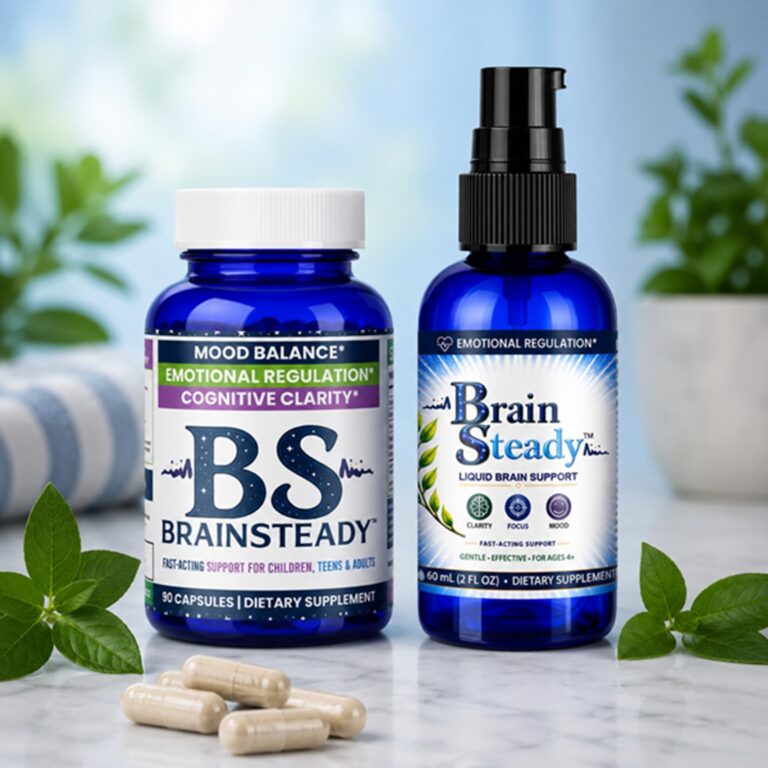
BrainSteady offers both forms. If you’d like to compare, you can see capsule and liquid options and read the details before you decide.
A simple test helps: tie the dose to something that already happens every day, such as breakfast or brushing teeth. Teens who have a say in the form tend to stick with it longer.
Daily Routines That Support Natural Focus for Teens
Habits do more for focus and mood than any bottle can, and any supplement sits on top of them. If you only change one thing, change sleep.
- Sleep. A consistent wake time, a dim wind-down, and a phone that charges outside the bedroom all help a later body clock find its footing.
- Regular meals. Breakfast and steady meals through the day keep energy even. Protein, whole grains, fruit, vegetables, and foods with healthy fats all feed a growing brain.
- Movement. A walk, a team practice, or a bike ride can lift mood and make it easier to settle down at night.
- Screen wind-down. Stopping scrolling about an hour before bed gives the brain time to slow down, and many teens find they fall asleep faster.
- Predictable study blocks. Short, scheduled work periods with real breaks are easier to start than an open-ended evening of “I’ll do it later.”
None of this is flashy, and it won’t solve everything. Still, a teen with enough sleep and a steady routine gives any other support a fair chance to show whether it helps.
Talking With Your Teen Without Pressure
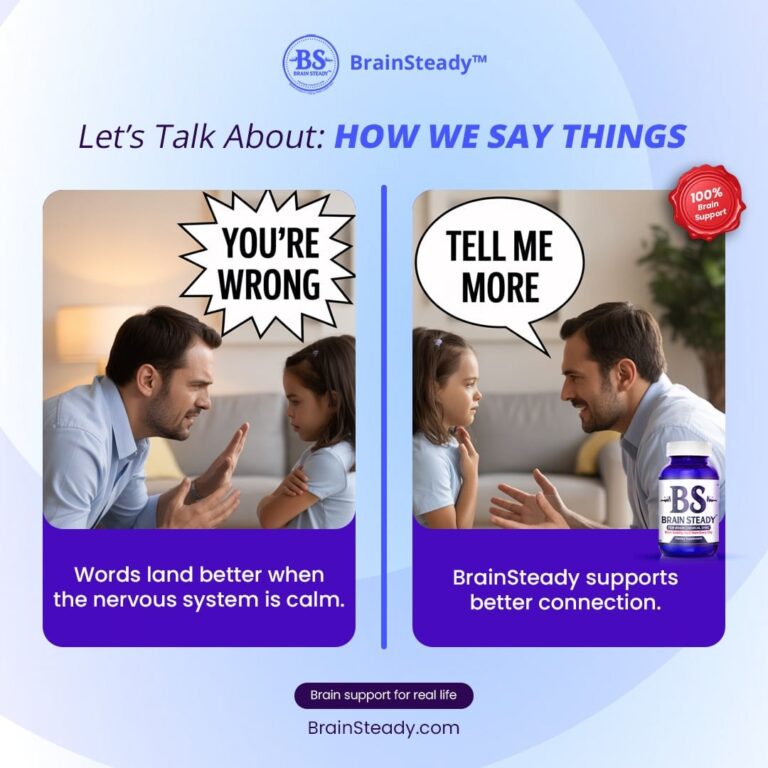
Teens notice when a conversation is really a verdict. If you bring up a supplement as a way to manage them, expect a closed door. If you bring it up as an option they get a say in, you have a much better shot.
Conversation starters that respect their autonomy
Try something like these, in your own words:
- “I’ve noticed mornings have been rough lately. What’s feeling hardest right now?”
- “I’m reading about ways to support focus, and sleep and food come up a lot. Want to look at it together?”
- “If we talked to the doctor about this, what would you want to ask?”
- “You get the final say on whether you want to try something. I just want you to have good information.”
Then listen more than you talk. Your teen may say they don’t want a supplement at all, and that answer deserves respect.
Tracking what helps, together
A shared check-in works better than parent-only monitoring. Once a week, you and your teen each rate sleep, mood, and focus on a simple scale, and jot down anything that changed, like a new bedtime or a hard exam week. Change one thing at a time, so you can tell what helped.
Light humor can help here. At BrainSteady, “BS” means Brain Support, not the other kind, and your teen may appreciate a joke if it keeps the conversation relaxed.
Your next step can be small. Look over the ingredient list together, write down your questions for the pediatrician, and if you want product details to bring to that appointment, reach out to our team.
Frequently asked questions
Can my teen take an adult brain supplement?
Not automatically. Teens vary widely in size and are still growing, so an adult dose may not suit them. Check that the label gives directions for your teen’s age, and ask your pediatrician before starting.
Can a brain supplement replace ADHD or anxiety medication?
No. A supplement does not diagnose or treat any condition and is not a substitute for care. If your teen takes prescribed medication, talk with their prescriber before adding anything, and do not change or stop the medication on your own.
How will I know if a supplement is helping my teen?
It’s hard to tell by memory alone, so track sleep, mood, and focus together once a week. Change only one thing at a time, because a new bedtime can shift mood just as much as a supplement can. Agree on a check-in date with your pediatrician and review the notes then.
Does the FDA approve supplements before they are sold?
No. The FDA does not approve dietary supplements before they reach the market. That is why a full ingredient list with amounts, clear age-specific directions, and independent testing are worth looking for.


3 Comments